Compact Urban Chicken Run Build
Highlighted under: Inspired World Food Collection
We wanted to create a compact urban chicken run that allows us to keep chickens right in our backyard without taking up too much space. I found that with careful planning and the right materials, building a chicken run can be a fulfilling project that enhances any garden environment. We incorporated considerations for our urban setting, utilizing vertical space and making it easy to access for feeding and cleaning. This guide will walk you through the key steps to successfully create your own efficient chicken run.
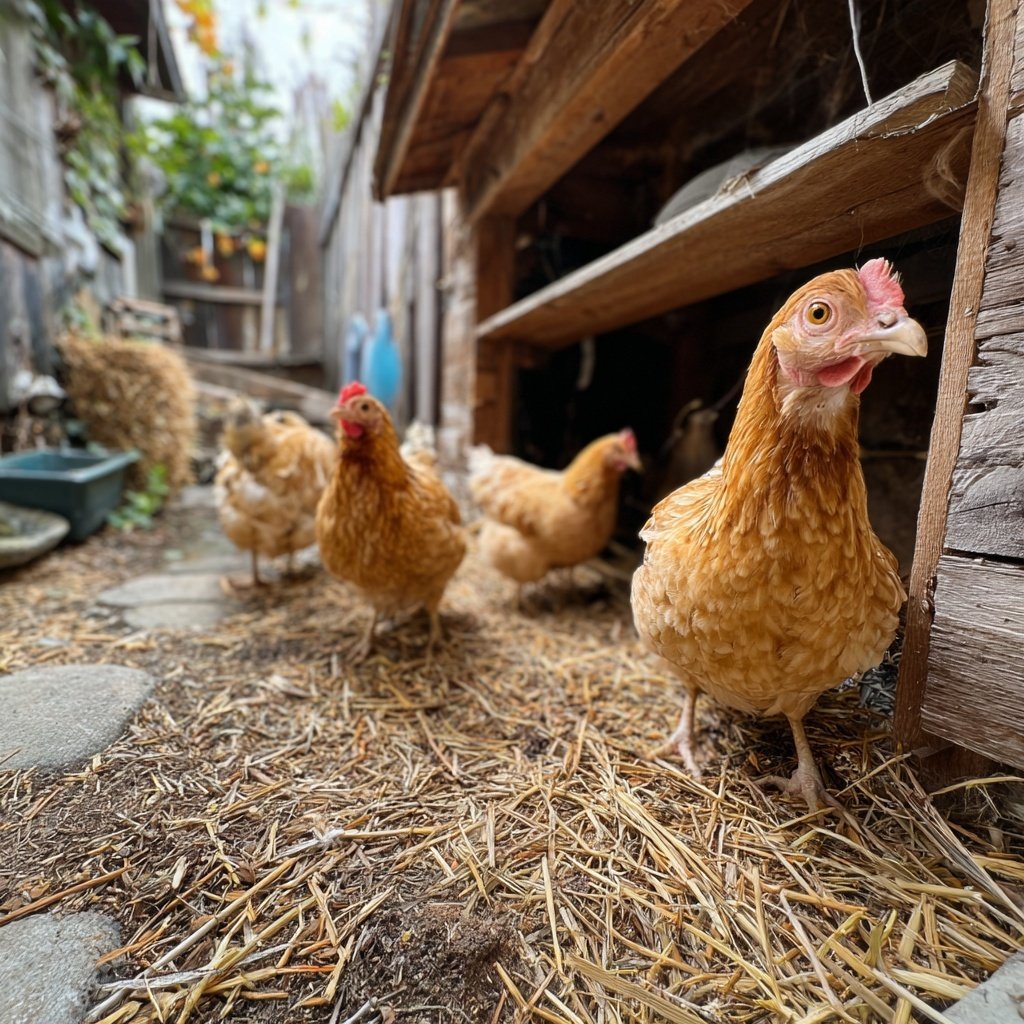
When we embarked on the journey of building our compact urban chicken run, we faced many challenges, from zoning regulations to space constraints. We realized that by utilizing a vertical design, we could maximize our limited area while providing a spacious environment for our chickens. A fun tip I discovered during the process was to include nesting boxes elevated off the ground, making them more accessible for our feathered friends.
After completing our chicken run, I was thrilled to see how quickly our hens adapted to their new home. Providing perches at various heights has proven to be beneficial for their mental stimulation. Planning this project has not only brought joy to our backyard but has also contributed to a sustainable lifestyle for our family!
Why You'll Love This Build
- Saves space while providing a safe haven for chickens
- Allows easy access for feeding and cleaning
- Promotes sustainable living in urban settings
Maximizing Space
In an urban setting, space can be limited, making it essential to optimize every square foot when building your chicken run. Utilize vertical elements, such as wall-mounted nesting boxes or hanging feeders, to free up floor space for the chickens to roam. This not only maximizes your available area but also encourages your chickens to engage in natural behaviors like scratching and perching, contributing to their well-being.
Consider designing your chicken run with multi-functional features. For instance, a sloped roof can provide shelter from rain while serving as a perch area for your birds. Using compact designs like an A-frame or vertical chicken coop can beautifully integrate your chickens into the landscape without overwhelming your yard.
Safety Considerations
Ensuring the safety of your chickens is paramount, particularly in urban areas where predators may be a concern. When installing the wire mesh, use a heavy-duty variety that is at least 1 inch squared. This not only prevents larger animals like raccoons from accessing your chickens but also keeps smaller birds such as hawks at bay. Always secure the edges firmly to avoid any gaps where predators can enter.
Additionally, remember to bury the bottom edges of your wire mesh at least a foot underground. This precaution discourages digging animals, such as foxes and dogs. By taking these extra steps, you can create a secure environment that provides peace of mind as you enjoy the benefits of urban chicken keeping.
Instructions
Gather Materials
Start by collecting the necessary materials such as wood, wire mesh, screws, and tools like a drill and saw. Make sure to choose durable materials that can withstand the elements.
Design the Layout
Plan the dimensions of the run considering the space available. Sketch a layout that includes nesting boxes, feeding areas, and perches.
Construct the Framework
Begin building the frame of the run using wooden posts and attach cross beams for stability. Ensure the structure is sturdy enough to withstand any weather.
Install Wire Mesh
Wrap the entire structure with wire mesh to keep chickens safe from predators. Make sure to bury the bottom edges of the mesh to deter digging animals.
Add Nesting Boxes and Perches
Install nesting boxes at an accessible height and add perches at various heights to encourage natural behavior amongst the chickens.
Finalize and Maintain
Double-check all the connections, clean the inside, and introduce your chickens to their new home. Regular maintenance is essential to keep the run in good condition.
Pro Tips
- Be mindful of your local zoning laws regarding chicken keeping and ensure your run is secure to protect your flock from wildlife.
Maintenance Tips
Regular maintenance of your chicken run is essential to ensure the health and happiness of your flock. Aim to clean the run every week, removing any waste and leftover feed to prevent pests and odors. It’s helpful to have a dedicated cleaning schedule; consider setting aside a specific day each week to check for necessary repairs and general upkeep of the structure.
Inspect the wire mesh and wood for any signs of wear or damage. Over time, exposure to weather can lead to erosion or rust, especially in metal parts. A simple application of wood preservative can extend the life of your wooden components, while occasional tightening of screws will maintain the integrity of the structure.
Enhancing Chicken Comfort
To promote a wholesome environment for your chickens, consider integrating natural elements into the design of your run. Incorporate plants, grass, or even a small dust bath area to allow chickens to engage in their natural behaviors. Chickens enjoy scratching around, and adding soil or gravel can enhance their experience.
In addition to nesting boxes and perches, varying the heights of perches can encourage healthy social structures within your flock. Observe how your chickens interact with different levels and adjust accordingly to provide the best experience and reduce stress among the birds.
Questions About Recipes
→ How much space do I need for my chicken run?
A general guideline is 10 square feet per chicken in the run, but you can adjust depending on your available space.
→ What materials are best for building a chicken run?
Use weather-resistant wood, galvanized wire mesh, and rust-proof screws for durability.
→ How often should I clean the chicken run?
It's recommended to clean the run weekly to maintain hygiene and minimize pests.
→ Can I use recycled materials for my chicken run?
Absolutely! Recycled pallets and repurposed materials can work great, just ensure they are safe and untreated.
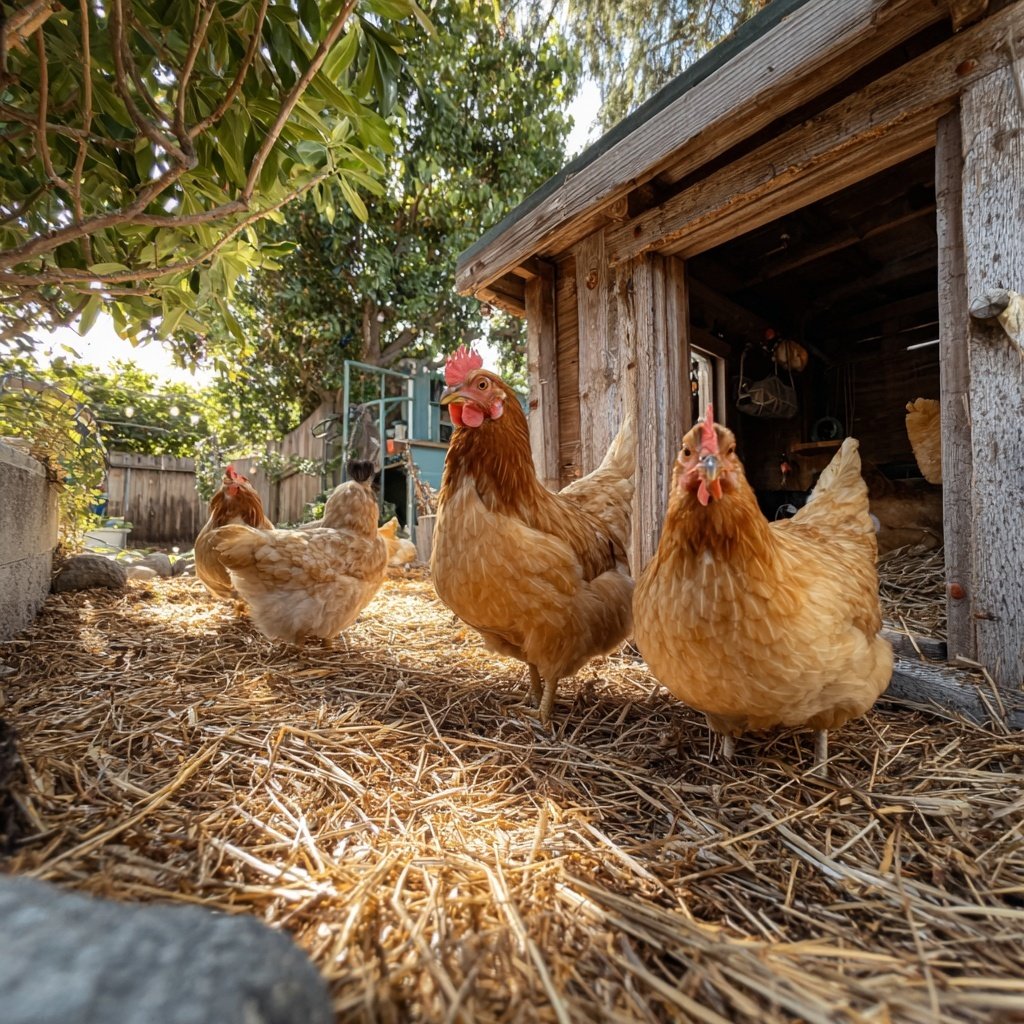
Compact Urban Chicken Run Build
Created by: Juliet Ashford
Recipe Type: Inspired World Food Collection
Skill Level: Intermediate
Final Quantity: 1
How-To Steps
Start by collecting the necessary materials such as wood, wire mesh, screws, and tools like a drill and saw. Make sure to choose durable materials that can withstand the elements.
Plan the dimensions of the run considering the space available. Sketch a layout that includes nesting boxes, feeding areas, and perches.
Begin building the frame of the run using wooden posts and attach cross beams for stability. Ensure the structure is sturdy enough to withstand any weather.
Wrap the entire structure with wire mesh to keep chickens safe from predators. Make sure to bury the bottom edges of the mesh to deter digging animals.
Install nesting boxes at an accessible height and add perches at various heights to encourage natural behavior amongst the chickens.
Double-check all the connections, clean the inside, and introduce your chickens to their new home. Regular maintenance is essential to keep the run in good condition.
Extra Tips
- Be mindful of your local zoning laws regarding chicken keeping and ensure your run is secure to protect your flock from wildlife.
Nutritional Breakdown (Per Serving)
- Calories: 0 kcal
- Total Fat: 0g
- Saturated Fat: 0g
- Cholesterol: 0mg
- Sodium: 0mg
- Total Carbohydrates: 0g
- Dietary Fiber: 0g
- Sugars: 0g
- Protein: 0g